Table Of Content
A healthy, uncomplicated pregnancy usually requires 1-2 ultrasounds. While you might see hair on an ultrasound, it is not clear enough to predict how much hair your baby will have at birth. The main difference between 3D and 4D ultrasounds is that with 4D ultrasounds, you’re able to see your baby move in real time.
Can You Really Tell If Your Baby Will Be Born With Lots Of Hair?
Sometimes, the genes have a dormant effect of keeping the curls latent. But under favorable conditions, when appropriate stimuli are given, the curls start to express slowly. With straight hair, detangling is easier, and styling the hair. Even parting the sides is far easier in the case of straight hair than curly ones. We hope this article has helped explain how ultrasounds show developing hair and how that image compares to the hair your baby will be born with.
Debunking Old Wives' Tales: Baby's Hair - University of Utah Health Care
Debunking Old Wives' Tales: Baby's Hair.
Posted: Mon, 12 Apr 2021 07:00:00 GMT [source]
READ NEXT
There’s no telling how much hair a little one will have and when it will start to come in. What we do know is that all babies will have hair eventually. Another distinction lies in the appearance of the hair ends. Broken hairs typically have a kinked, irregular appearance with strands of varying lengths due to damage. Understanding the underlying cause of your hair loss is absolutely necessary in determining the best approach to halt and reverse any further damage to your hair and scalp. In this situation, most parents are in a very tough position.
What causes baby hair on your hairline?
Remember that hair growth is a slow process and it may take several months before you start to see results. When it comes to newborn hair, there’s a wide range of what’s considered normal. Many babies are born without any hair, some arrive with a few sporadic strands and others come onto the scene with a plethora of enviable locks. As baby grows throughout the first few years of life, you’ll see their hair evolve.
It will decide what kind of hair your baby will get in the future. After you bathe your baby, observe when the hair is wet and when it starts to dry up. If the hair strands dry up, making a loop pattern or even becoming bent at the end, your baby has curly hair. But if the strands remain straight or as it is, it has straight hair. This small study highlights the impact of maternal hormones and race/ethnicity on hair growth in newborns. In order to understand both the role of hormones and skin complexion, it is first important to understand the fetal and newborn hair growth cycle.
Alopecia areata
Exactly when that happens can be anyone’s guess — it’s different for every child. Some get a great new head of hair by 6 months, some not for two or three years. And even if those strands are sparse early on, it doesn’t mean your child’s hair will be thin when she’s older. The color and texture of true baby hair can also change as the child grows. In most cases, lanugo is shed before or shortly after birth.
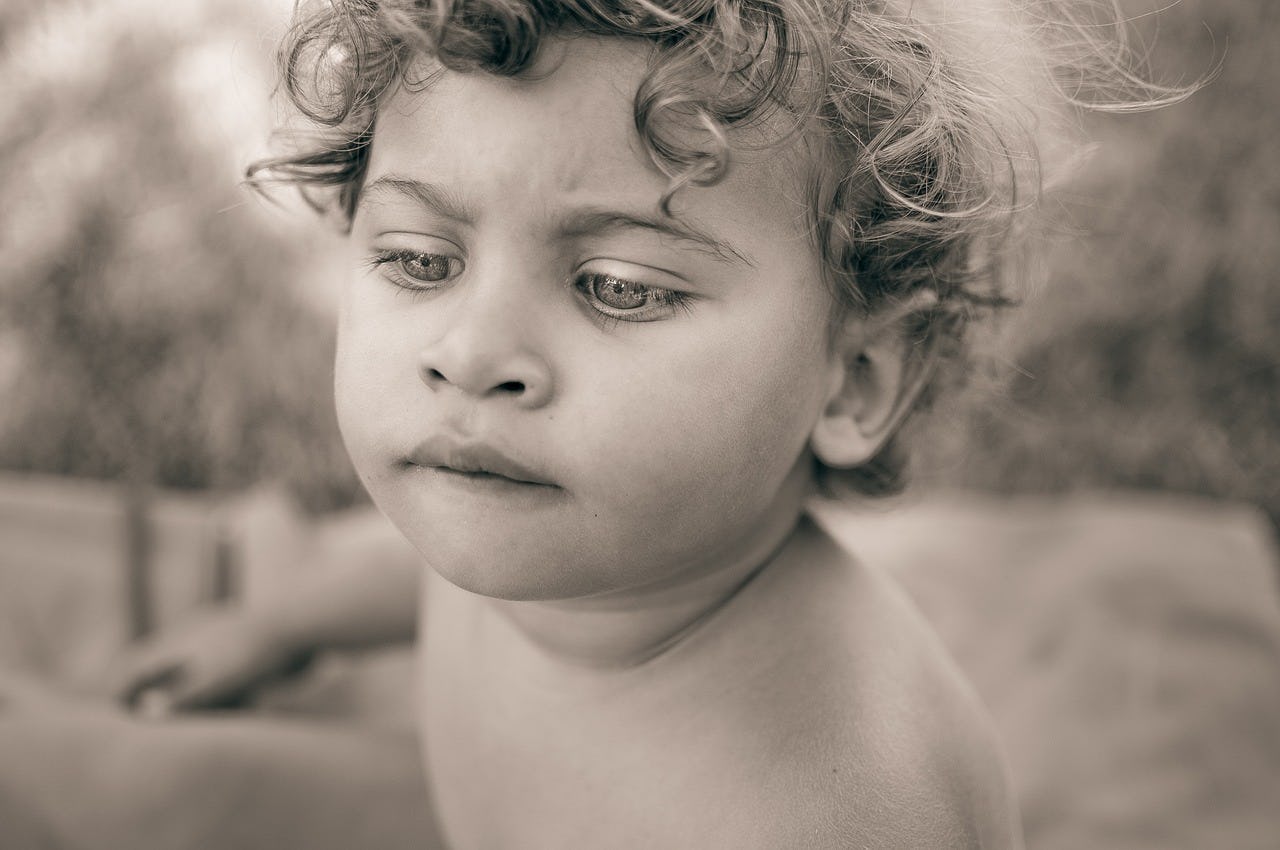
However, it’s essential to understand that hair texture can evolve over time due to various factors, making it challenging to definitively predict the permanence of curls in a baby’s hair. Consequently, being mindful of the environmental conditions and products used on a baby’s hair can help maintain and enhance their curly hair texture. If you notice this trait in your little one, it might be a sign to start considering curly hair products and solutions for their future hair care needs. The presence of a wavy hairline, characterized by small peaks and valleys along the forehead, could indicate the potential for adorable curls to emerge as the baby’s hair grows.
Hair from infants gives clues about their life in the womb - University of Wisconsin-Madison
Hair from infants gives clues about their life in the womb.
Posted: Tue, 15 Apr 2014 07:00:00 GMT [source]
Even if your baby is totally bald when she’s born, the seeds of her future locks have long been planted. Hair follicles start to develop by week 14 or 15 of pregnancy, setting the stage for future strands to sprout. Your baby’s body hair is usually shed around the 24th to 28th week of pregnancy. This means it’s gone before birth, although some premature babies are still covered with lanugo hair.
What you’re seeing might be a temporary type of hair called lanugo. This is a skin condition that leads to patchy bald spots on the head. Alopecia areata is caused by a defect in the immune system that causes it to attack and destroy healthy hair cells. Research published in 2002 notes that it’s very rare in children under 6 months, but there have been reported cases. Thanks to the umbilical cord, the same hormones that were pulsing through your body during pregnancy and giving you that supermodel head of hair were pulsing through your baby’s, too.
According to the National Institutes of Health (NIH), chronic stress can cause hair loss. Those who do not regain fullness within 1 year should talk with a doctor, as excessive hair loss could be due to another health condition, such as hypothyroidism or thyroiditis. The vast majority of babies will regrow their lost hair in a matter of months. While ‘The Pulse’ is no longer available for access, we encourage anyone with medical questions or concerns to seek the advice of their healthcare professionals. Your health and well-being are of utmost importance, and consulting with qualified medical professionals ensures personalized and accurate guidance.
Texture will likely be different as well, since newborn baby hair is usually very fine and fragile. As excited as you are about their new locks, refrain from styling your baby’s hair or using any hair elastics until they’re a bit older. During pregnancy, some of the hormones will cross the placenta and circulate through your baby’s body. If your baby was born with lush hair, you’ll notice they’ll start losing it. During pregnancy, hormonal changes can lead to the growth of baby hairs, but this is often a temporary phase. The hormonal imbalances experienced are normal and can result in various hair changes, including increased growth or shedding.


No comments:
Post a Comment